
A doctor’s perspective · English edition
Which months are best for a skin treatment in Korea?
The month matters less than what you plan to do outdoors in the weeks around treatment.
 Dr. Seung Woo JangPhysician in Aesthetic Medicine5 min read · Sources included
Reviewed by Dr. Kwang Yeon Kim and Dr. Seung Yeon Cha
The short answer
Which months are best for a skin treatment in Korea?
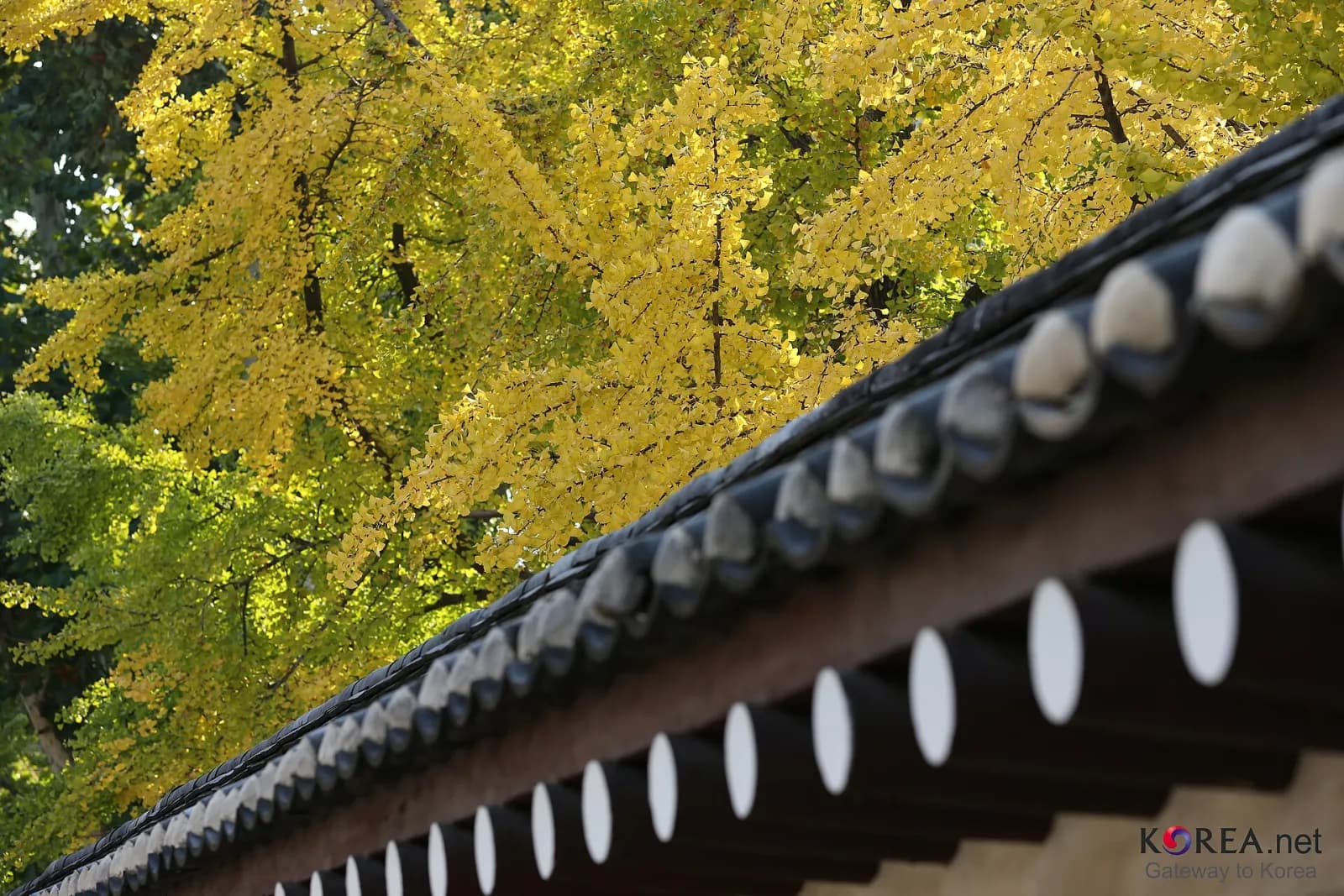
No single month is best, and the month is not what decides it. For many light and laser treatments the deciding factor is sun on both sides of the date: the American Academy of Dermatology's laser scar guidance says a dermatologist cannot treat you if you arrive with a tan or sunburn, and DermNet advises avoiding sun in the days and weeks before and after intense pulsed light. The Korea Tourism Organization describes summer, June to August, as sweltering, with a rainy season roughly from the end of June to the end of July, autumn averaging around 15 degrees Celsius and winter around 0 to 1 degree. So pick the month you can travel in, then ask the clinician how many low-sun days they want before and after your treatment, and build the itinerary around those two numbers.
Want to ask about this guide?
Send a message on WhatsApp. It opens with this guide’s title so the reply can start from it. Please don’t send medical records or photos.
Message on WhatsAppOpens WhatsApp. A message is not a medical consultation or diagnosis.
Why sun sets the timing.
The American Academy of Dermatology's advice on laser scar treatment says that if you arrive with a tan or sunburn, the dermatologist cannot treat you. DermNet advises avoiding sun exposure in the days and weeks before and after intense pulsed light. After acne scar treatment, the Academy advises limiting daytime time outdoors for six to eight weeks.
For pigment concerns, DermNet notes that pigmentation may reappear on exposure to summer sun even after a good response. So the useful question is not only which month, but how much time in strong sun your trip and your life at home will involve in the weeks that follow.
American Academy of DermatologyDermNetAmerican Academy of DermatologyDermNetKorea by season.
The Korea Tourism Organization describes the seasons this way. Spring runs from March to May, with chilly days often lasting until mid-March. Summer, June to August, is sweltering, and the rainy season falls roughly from the end of June to the end of July; typhoons can come between June and October. Autumn, September to November, averages around 15 degrees Celsius. In winter the average drops to about 0 to 1 degree Celsius.
Summer heat also means more sweating. The Academy advises reapplying sunscreen every two hours and immediately after sweating, and notes that sun protection matters on cloudy days and in winter too.
Korea Tourism OrganizationAmerican Academy of DermatologyPlan the itinerary around the treatment date.
Outdoor-heavy days are not automatically safe just because they come first. DermNet advises avoiding sun in the days and weeks before intense pulsed light as well as after it, and the Academy says a tan or sunburn means the dermatologist cannot treat you at all. Ask the clinician how many low-sun days they want on each side of your treatment, then place hiking, beaches and long walking tours outside that window in both directions. For the days after, indoor sights, shaded routes and shorter outdoor stretches are the easy substitutes.
If you are considering a treatment course with several sessions, think about the months at home as well. A trip in a cooler month can still be followed by a sunny season where you live.
American Academy of DermatologyDermNetChoosing dates for a skin treatment trip
What travelers ask
The questions behind the search.
No single month is best. Sun before and after treatment matters most, so choose dates that let you avoid a tan beforehand and keep treated skin out of strong sun afterwards.
Official guidanceThe Korea Tourism Organization describes it as roughly the end of June to the end of July, with typhoons possible between June and October.
Official guidanceYes. Dermatology guidance says sun protection matters on cloudy days and in winter as well.
Official guidanceThe American Academy of Dermatology's advice on laser scar treatment says a dermatologist cannot treat you with a tan or sunburn. Tell the clinic before the appointment so they can decide.
Official guidanceBring these with you
Questions to ask at your consultation
Pick the questions you want to raise, then save them or open them in text translation.
Want to ask about this guide?
Send a message on WhatsApp. It opens with this guide’s title so the reply can start from it. Please don’t send medical records or photos.
Message on WhatsAppOpens WhatsApp. A message is not a medical consultation or diagnosis.
Related guides
Still unsure?
Ask this question in the community.
Other travelers and the DockieTalkie team read the board. Post your situation and link this guide.
Ask this questionMake room for understanding
Your questions. In your language.
Prepare for clinic and pharmacy conversations with DockieTalkie. Korean plus 10 other languages, with medical terminology built in.
This guide stays free to read. An account gives you access to the app.About the author
Dr. Seung Woo Jang
Physician in Aesthetic Medicine
A doctor’s perspective on what to understand and ask before choosing care in Korea.
Author profileSources & further reading
Checked September 18, 2026. Official sources describe rules and services as published; confirm current details with the provider before you rely on them.
- Korea Tourism OrganizationClimate Spring March to May with chilly days into mid-March; summer June to August, sweltering, rainy season roughly end of June to end of July; typhoons between June and October; autumn averages around 15 degrees Celsius; winter averages 0 to 1 degree Celsius.
- American Academy of Dermatology10 things to know before having laser treatment for your scar Laser can make a scar less noticeable but cannot get rid of it; walk away if treatment is promised before a medical consultation; a tan or sunburn means the dermatologist cannot treat you; tell the dermatologist about medicines and supplements; results can take months; more than one treatment may be needed.
- DermNetIntense pulsed light therapy (IPL, flashlamp) Published 2005 · IPL delivers many wavelengths in each pulse instead of one; a course of 4 to 6 sessions every 3 to 6 weeks may be needed; a mild-sunburn sensation with redness, peeling or swelling for a few days; avoid sun in the days and weeks before and after.
- American Academy of DermatologyAcne scars: How to care for your skin after treatment Individualized aftercare instructions; treated skin can be sensitive and specific products may be recommended; makeup may be stopped for a few days; swelling or discolouration typically goes in a few days; daily broad-spectrum SPF 30+ water-resistant sunscreen; limit daytime time outdoors for 6 to 8 weeks; treatment is rarely one and done.
- DermNetMelasma (facial pigmentation) Published 2025-12 · IPL and lasers including Q-switched Nd:YAG carry a high risk of relapse; pigmentation may reappear on exposure to summer sun; the need for lifelong sun protection should be explained to set realistic goals.
- American Academy of DermatologyHow to apply sunscreen SPF 30 or higher, water resistant, broad spectrum; apply about 15 minutes before going out; reapply every two hours and immediately after swimming or sweating; protection matters on cloudy and winter days.