How do you compare hair transplant quotes that do not seem to match?
Imagine three quotes in a folder, none of which line up. One counts grafts, one counts hairs, and the third just says crown with a single total underneath. The lowest number is tempting, but you cannot actually tell whether it is the lowest price.
Hair transplant quotes become comparable once you translate them into the same unit and the same scope. That means knowing whether you are paying for grafts or for hairs, whether the plan is realistic for your donor area, and what happens after the day of the operation.
Grafts are not hairs
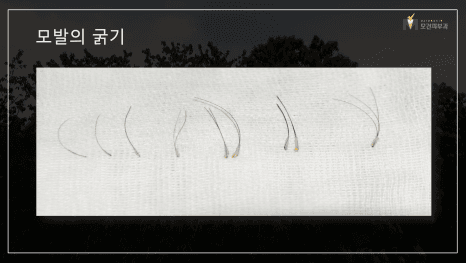
A graft usually holds one follicular unit, the natural group in which hair grows, and a follicular unit contains one to four hairs. So 2,000 grafts and 2,000 hairs describe very different amounts of work. Some clinics quote in grafts and others in hairs. If two quotes use different units, ask each clinic to state both: the number of grafts planned, and the average number of hairs per graft they expect for your hair. Ask too whether you will be told the final count after surgery.
Neither number tells the whole story. Thick or wavy hair can give more visual coverage per graft, and fine hair may need more grafts for a similar look, which is one reason two honest clinics can propose different counts for the same scalp.[1]
The crown asks a lot of the donor area
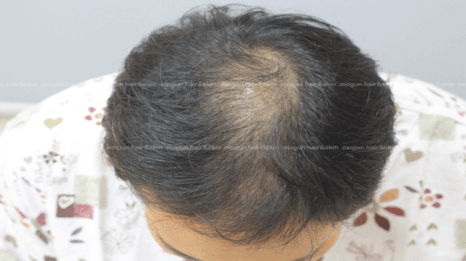
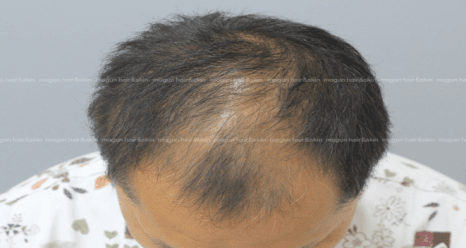
The crown is a common reason for wanting a transplant and one of the more demanding areas to treat, because it is broad and the hair grows in a whorl. Covering it densely can use a large share of the donor supply, which every later session also draws on. Because hair loss can continue, an ISHRS article on the donor area notes that many patients may need more than one surgery over a lifetime and suggests discussing how many grafts you might need over time. A quote that spends most of your donor hair on the crown today should come with an explanation of what is left for the front if it recedes later.
This is where a cheaper quote and a better plan can part ways. A plan that does a little less now and keeps options open may be the better buy.[2]

Read the scope, not just the total
Ask each clinic to write out what the price covers: the method, the number of grafts, anaesthesia, medicines, aftercare products, and the follow-up visits over the following year. The CDC notes that some clinics abroad charge substantial fees for follow-up care on top of the base price, and the NHS suggests asking whether further treatment, if needed, costs extra. Ask who performs which parts of the operation, and meet the surgeon who will be responsible before you decide.
Once every quote states grafts, hairs, method and follow-up, the comparison usually becomes clear. If a clinic cannot or will not fill in those lines, that tells you something as well.[3][4]