Bills & documents
How do you get treatment records your doctor back home can read?
A short, specific summary in a language your doctor reads is worth more than a thick file you cannot open.
 Dr. Seung Woo JangPhysician in Aesthetic Medicine4 min read · Sources included
Reviewed by Dr. Kwang Yeon Kim and Dr. Seung Yeon Cha
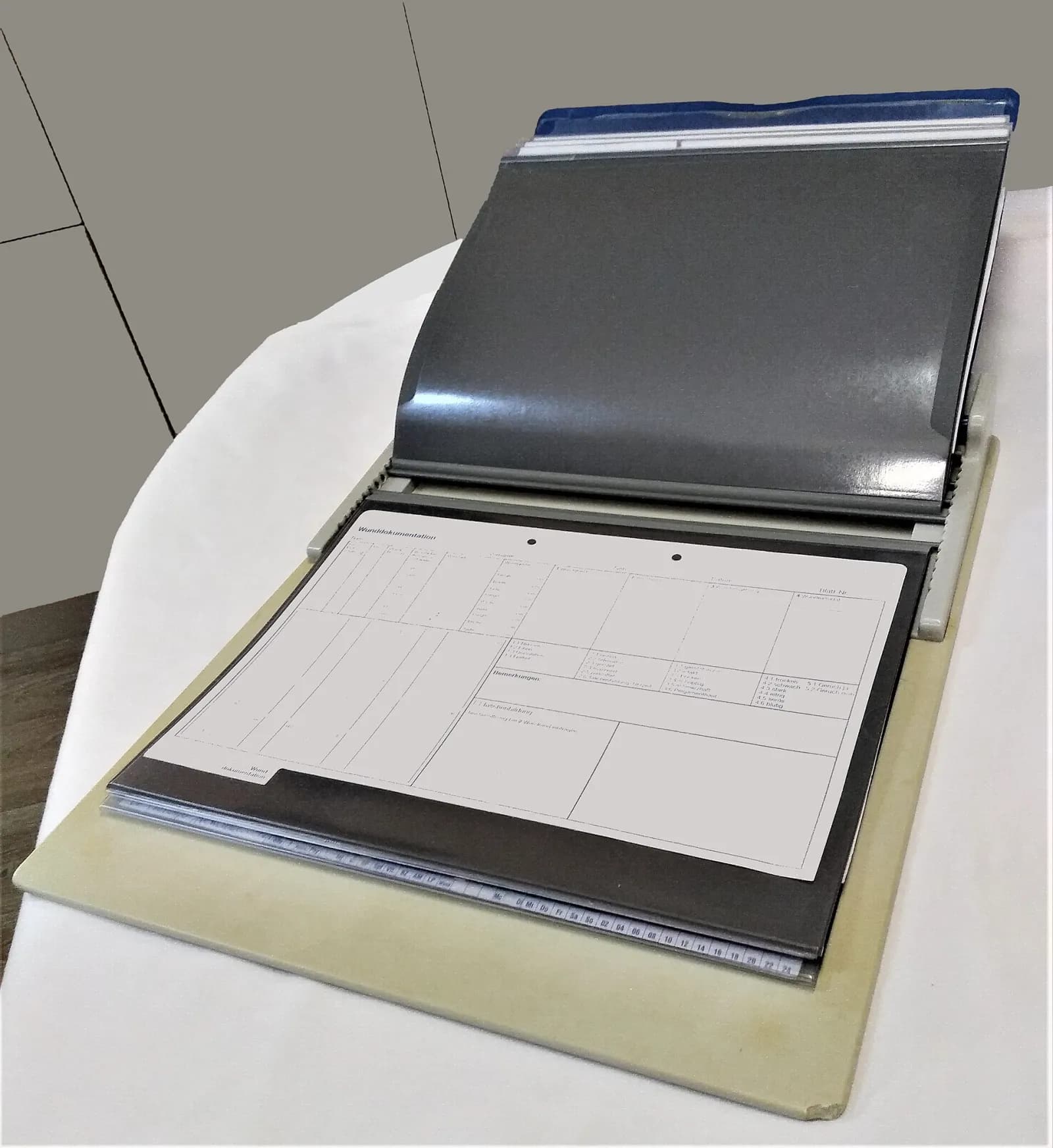
How do you get treatment records your doctor back home can read?
Before you leave the clinic, ask for a short written summary of what was done: the date, the treatment, the product or device name, the amount or settings if recorded, the areas treated, any medicines given, the aftercare instructions and a contact for questions. Ask for it in English or another language your doctor at home reads. Korea's Medical Service Act gives patients the right to request to see or copy their own records, and the CDC advises medical travellers to get records in English and share them with clinicians they see afterwards. Keep a paper copy and a photo on your phone.
Want to ask about this guide?
Send a message on WhatsApp. It opens with this guide’s title so the reply can start from it. Please don’t send medical records or photos.
Message on WhatsAppOpens WhatsApp. A message is not a medical consultation or diagnosis.
Why the record matters after you fly home.
The CDC advises medical travellers to request copies of their overseas medical records in English and to give them to any clinician they see for follow-up, and to tell later clinicians about every treatment received on the trip. It also advises arranging follow-up care before leaving.
A doctor at home who sees a reaction, or who is asked to continue a plan, needs to know what was actually used. A price receipt that lists a menu name rarely answers that. This guide is about the transfer itself: requesting the record, getting it in a readable language, and putting it in your own doctor's hands. Our companion guide covers what else to carry home from the clinic.1
What to ask the clinic to write down.
Ask for these before your last visit, so there is time to prepare them. NHS guidance on choosing a practitioner suggests asking what aftercare you can expect and what to do if something goes wrong; the record is where those answers should end up.
Your name, date of birth and the dates of each treatment.
The treatment, and the product or device name used.
The amount used, or the settings if the clinic records them.
The areas treated.
Any medicines given or prescribed, with generic names.
Aftercare instructions and the planned next steps.
The treating doctor's name and a contact for questions.
Your right to ask, and a language your doctor reads.
The official English translation of Korea's Medical Service Act states, in Article 21, that a patient may request to inspect or copy all or part of their own records, and that the request may not be refused without good cause. The translation is provided for reference, so ask the clinic directly how and when copies are issued.
Full records may be written in Korean. If so, ask whether the doctor can add a short summary in English, and keep both. The CDC suggests travellers with ongoing conditions carry a clinician letter listing medicines with generic names; generic names on your Korean record help in the same way.34
Keeping it usable months later.
Keep the paper copy with your travel documents and a clear photo or scan on your phone. Name the file with the date and the clinic, so it can be found quickly when a doctor asks. Share it with your doctor at home when you return, not only when a question comes up.1
Before you leave the clinic for the last time
The questions behind the search.
Can I get a copy of my records from a Korean clinic?
Korea's Medical Service Act, in its official English translation, says a patient may request to inspect or copy their records and the request may not be refused without good cause. Ask the clinic how copies are issued.3
What if the records are only in Korean?
Ask the doctor for a short summary in English as well, and keep both. The CDC advises medical travellers to get records in English to share with clinicians at home.1
Is my payment receipt enough?
Usually not for a doctor. A receipt may list a menu name but not the product, amount or areas, which are what a doctor at home needs to know.1
When should I share the record with my doctor at home?
When you return, rather than waiting for a problem. The CDC advises telling later clinicians about every treatment received on the trip.1
Sources & further reading
- Medical tourismCDC Yellow Book 2026
- Choosing who will do your cosmetic procedureNHS
- Medical Service Act (English translation), Article 21Korea Law Translation Center · Ministry of Government Legislation
- Travelers with chronic illnessesCDC Yellow Book 2026
Bring these with you
Questions to ask at your consultation
Pick the questions you want to raise, then save them or open them in text translation.
Want to ask about this guide?
Send a message on WhatsApp. It opens with this guide’s title so the reply can start from it. Please don’t send medical records or photos.
Message on WhatsAppOpens WhatsApp. A message is not a medical consultation or diagnosis.
Still unsure?
Ask this question in the community.
Other travelers and the DockieTalkie team read the board. Post your situation and link this guide.
Ask this questionMake room for understanding
Your questions. In your language.
Prepare for clinic and pharmacy conversations with DockieTalkie. Korean plus 10 other languages, with medical terminology built in.
Create your DockieTalkie accountThis guide stays free to read. An account gives you access to the app.About the author
Dr. Seung Woo Jang
Physician in Aesthetic Medicine
A doctor’s perspective on what to understand and ask before choosing care in Korea.
Author profile