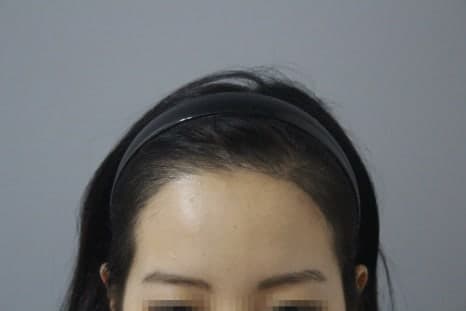
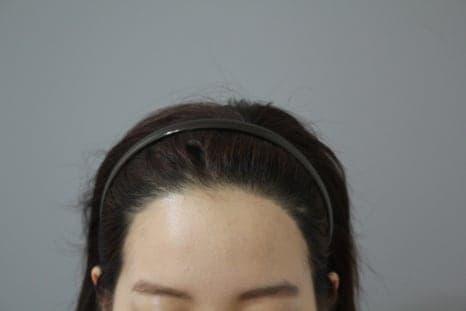
How long is recovery from a hair transplant, and when will I see the result?
Say you are trying to work out how much leave to book around a hair transplant, and how long you might be explaining the hat at the office.
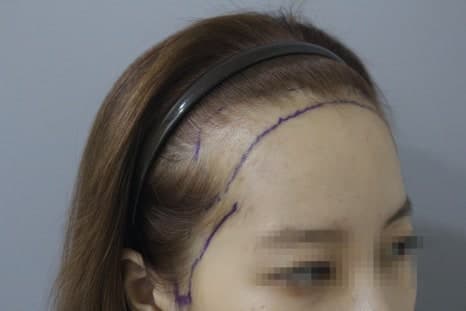
There are two different clocks here. One is how quickly the scalp heals enough for ordinary life, often measured in days to a couple of weeks. The other is how long the new hair takes to grow, which is measured in months, and for many people closer to a year. Both vary from person to person, and it helps to keep them apart. When you can travel or fly is a separate question for your surgeon, based on your own procedure and recovery.
The first two weeks
The operation itself is a long day; the American Academy of Dermatology says it usually lasts four to eight hours, and a large session may need you back for a few hours the next day. Afterwards, the NHS describes a tight, achy and swollen scalp for a few days and some scabbing around the grafts, and suggests you may need one to two weeks off work.
Whether you need all of that depends on the method, the size of the session, how visible the scabs and redness are under your usual hairstyle, and what your work involves. Someone working from home may be able to go back sooner than someone whose job is physical or face to face. Your surgeon's aftercare instructions on washing, exercise and wearing a hat come first, ahead of any general timeline, including this one.[1][2]
Months one to four: the awkward stretch
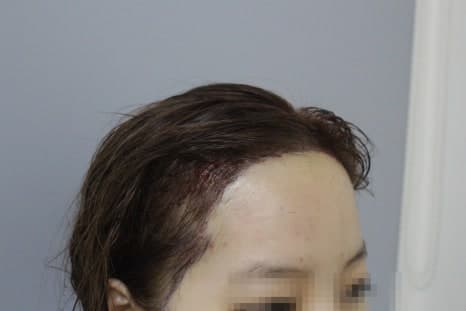
A few weeks after surgery, the transplanted hairs usually fall out. The AAD puts this at two to eight weeks and adds that by the third month the hair may look thinner than it did before the transplant. It is an unsettling stage. This expected shedding of hair shafts is different from losing the grafts themselves. The NHS says the transplanted hair will often fall out after a few weeks and later grow back, with new hair usually starting to appear after about four months.
Shedding is not the only thing that can happen after surgery, though, and you cannot always tell from the mirror which is which. Pain, redness, swelling or discharge that is getting worse rather than better, or a course you are simply unsure about, should go to your surgeon for a look rather than be waited out. Early regrowth, when it comes, tends to be fine and patchy and thickens over the months that follow.[1][2]
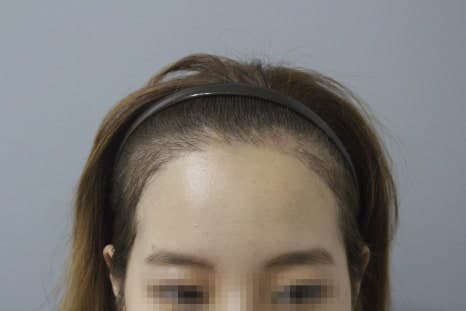
When to judge the result
The AAD says most people see results between six and nine months, while some take twelve. The NHS gives ten to eighteen months for the full result. The ranges differ because people differ. A fairer time to sit down with your surgeon and judge the outcome is around a year, or later if your surgeon advises, rather than the four-month mark. Before-and-after photos from any clinic show individual results, not a schedule your own hair will follow.
Meanwhile the hair that was not transplanted can keep thinning, and the AAD notes that medicine may be recommended to protect it. So if you want to plan around dates, plan the first weeks around the leave your surgeon suggests for your procedure, and plan the photos and the verdict around the year.[1][2]