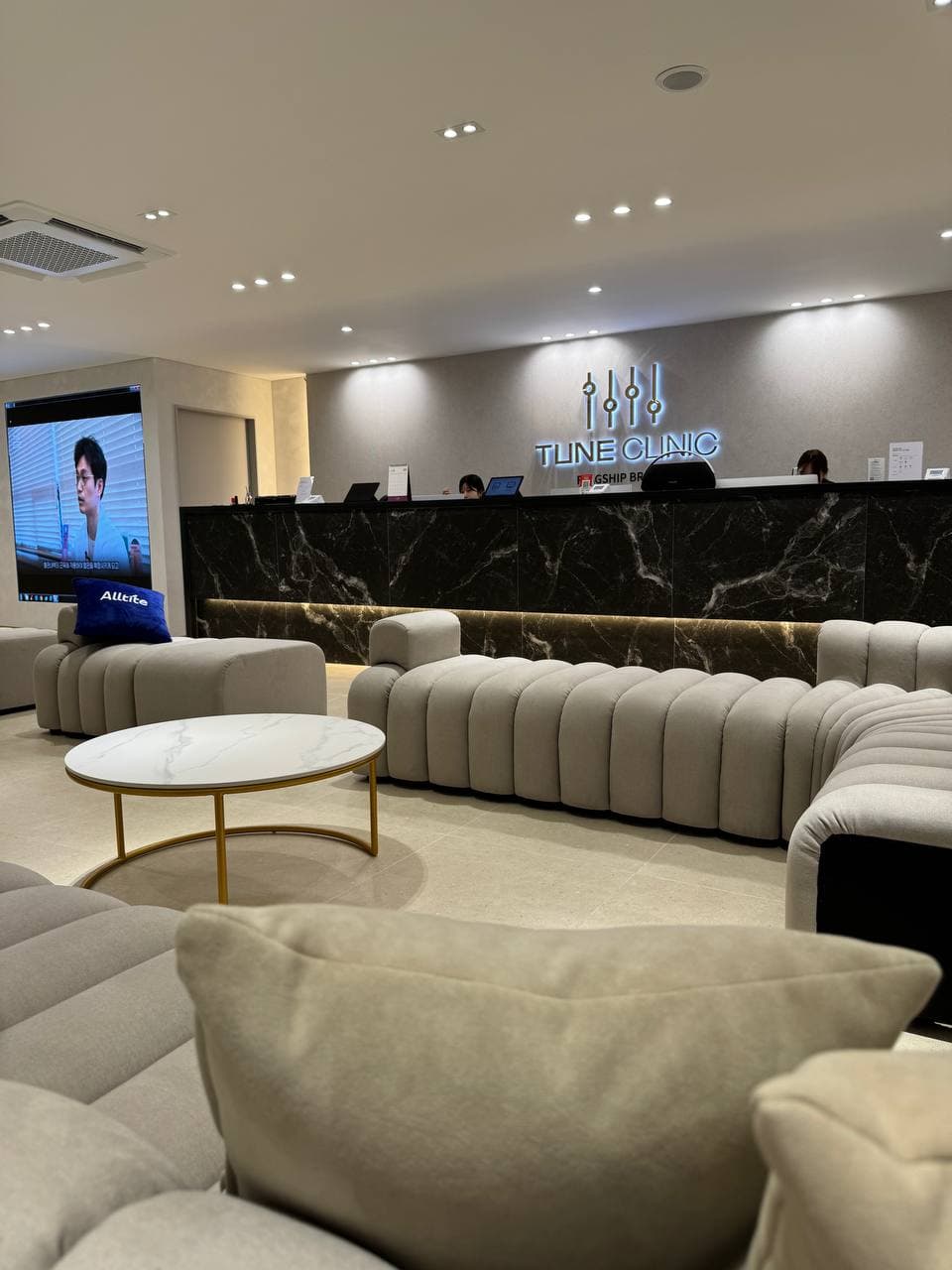
What makes a first-time clinic one you would want to go back to?
Think of a clinic you would happily go back to, or imagine one. A week after the visit you probably could not describe the waiting room. What you remember is whether the doctor looked at your face or at the price sheet, whether anyone explained what the needle was for, and whether a message after you got home was answered.

Those small things are the useful ones, because you can see them on a first visit, long before there is a result to judge. You do not need a ranking or a review score to notice them.
What you can see during the visit
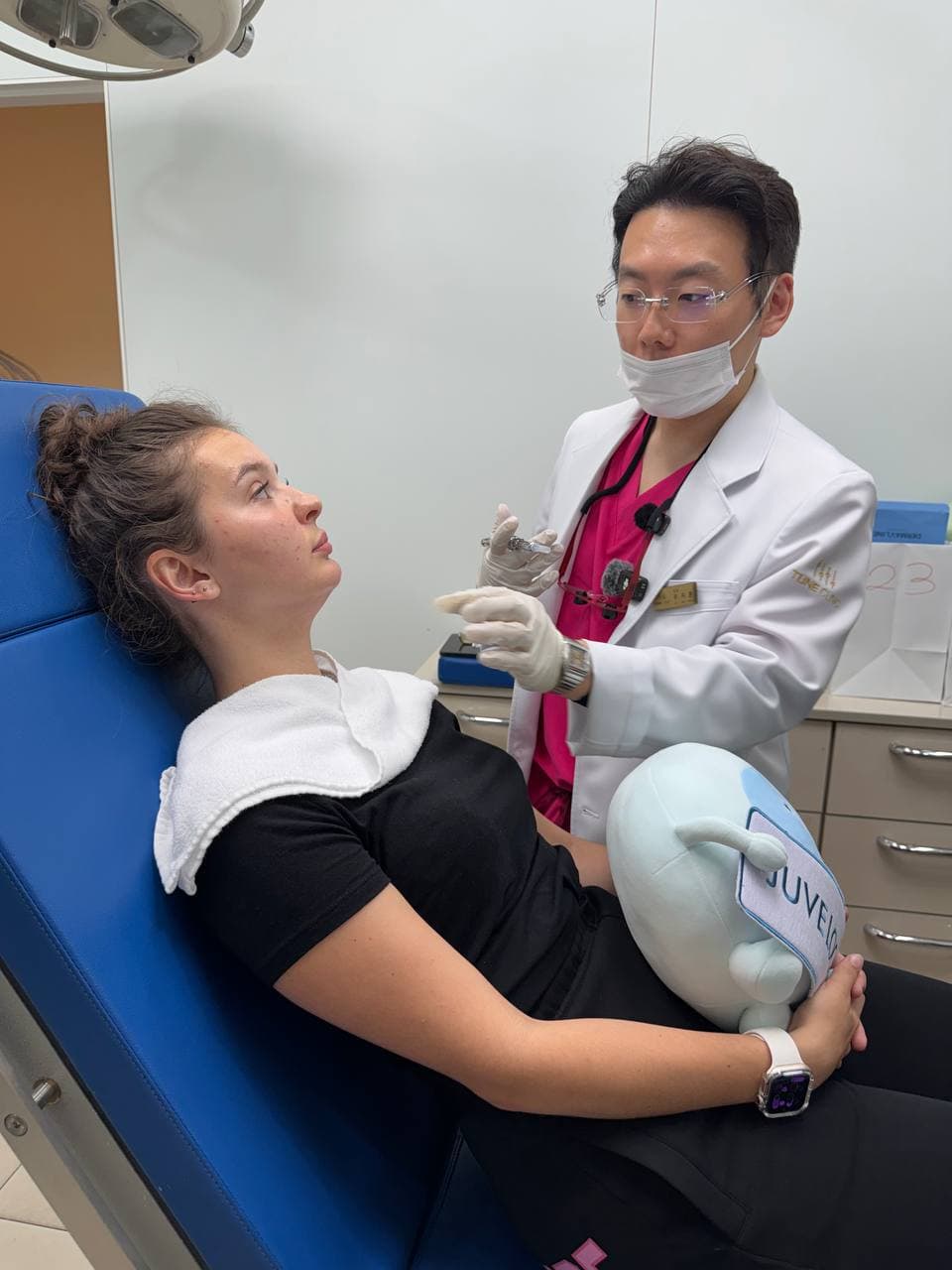
Time to explain. The doctor who will treat you examines the area you are worried about, tells you what they suggest and why, and mentions what they would not do. The NHS suggests asking practitioners how many of these procedures they have done and what the most common complications are. A clinic worth returning to answers those questions without irritation.
Prices you can read. You get a written, itemized quote naming the treatment, the product or device and the amount, what is included, such as numbing or a review visit, and what would cost extra. A single total with nothing underneath is hard to compare and hard to question later.
Consent you understood. Before treatment, someone goes through what will happen, the expected side effects and the less common risks, in a language you are comfortable with, and you have time to read what you sign. The NHS notes you can ask for written information to take away, such as a product leaflet, and for fillers the name of the product.
No hurry. You are given time to decide, and walking away is treated as a normal choice. The NHS says a practitioner should give you time after a consultation.[1][2]
What shows up after you leave
Someone to contact. You know who to message after treatment, roughly how quickly they reply, and in which language. The NHS suggests asking what aftercare to expect, who will look after you, and what to do if something goes wrong. For travellers the CDC adds a sharper version: whether follow-up happens at the same facility, and what the plan is if a problem appears after you are home.
Records without a chase. The clinic gives you, or agrees to send, a record of what was done, in English if you need it.
Straight answers when something is not perfect. A clinic shows its character when you message about a bruise or an uneven result. A clear reply, an offer to see you or look at photos, and an honest view of what is normal and what is not are worth more than any welcome gift.
None of this guarantees a result. It tells you how a clinic behaves once you are no longer a new booking, which is exactly what you want to know before going back.[1][3]