FUT or FUE: how do you choose a hair transplant method?
Picture two consultations a week apart. One surgeon suggests taking a strip from the back of your head; the other prefers removing follicles one at a time. Both sound sure of themselves, and you leave wondering which of them is wrong.
Often neither is. Both methods move the same thing, hair-bearing follicles from the back and sides of the head to the thinning area, and neither suits everyone. The right choice depends on how you wear your hair, how much area needs covering now and later, and the condition of your donor area. So the useful question is which method suits your scalp and your plans.
What each method leaves behind
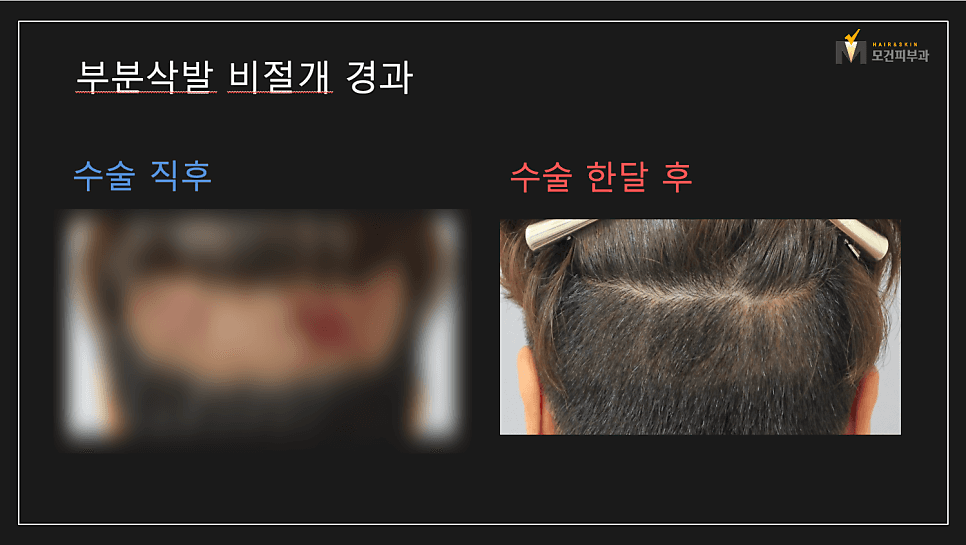
In FUT, a thin strip of hair-bearing skin is removed from the back of the head, the wound is closed, and the strip is divided into grafts. The NHS notes that this leaves a scar on the back of the head that should not be visible unless you wear your hair very short, and describes a tight, achy and swollen scalp for a few days after a transplant.
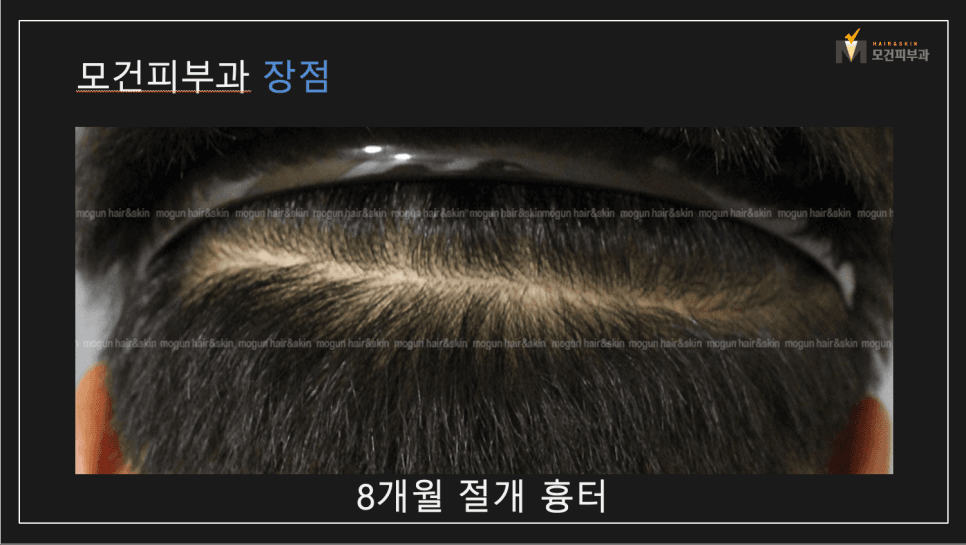
In FUE, follicles are taken out individually, which usually means shaving the donor area first. Instead of a line, it leaves many tiny scars, which the NHS describes as not very noticeable. People who like very short haircuts often prefer it, and the American Academy of Dermatology makes the same point about avoiding a long, narrow scar.
With either method, the transplanted hair typically sheds in the weeks after surgery before new growth begins.[1][2][3]
Treat the donor area as a budget
The hair at the back of the head is the supply every future session draws on, and hair loss can continue over the years. An ISHRS article on the donor area calls hair loss a dynamic process, notes that many patients may need more than one surgery in their lifetime, and that people with extensive loss may benefit from a combination of FUT and FUE over time. That is why a good plan looks past the first operation: how many grafts it uses now, how many remain, and what happens if the hairline recedes further in ten years.
The AAD adds that hair loss can continue after a transplant and that medicine may be recommended to protect the hair you still have. A transplant redistributes hair; it does not stop the underlying loss.[3][2]
The questions that decide it
How short do you wear your hair, and is that likely to change? How large is the area to be treated, now and in any plan for later sessions? How loose is the scalp at the back, and how dense is the donor hair? Which method does this surgeon perform regularly, and would they suggest the other one if your scalp suited it better? A clinic that offers only one method can still be a good clinic, but it is fair to ask how it handles patients who would be better served by the other.
And if two doctors give you different answers, ask each one for the reason. A good recommendation comes with reasons you can check against your own priorities.